

Boston has long been one of the most competitive housing markets in the United States, with demand consistently outpacing supply. Yet as we move closer to 2030, the landscape of Boston MA real estate is shifting in ways that create both challenges and opportunities. Prices remain strong, but certain areas are showing growth potential while others are stabilizing, opening new paths for long-term investment.
Backed by recent data from Zillow and Realtor, the current Boston real estate market reveals important insights into home values, rental trends, and future forecasts. For those looking to purchase property in this fast-moving city, understanding these patterns is key, and working with Centre Realty Group’s experienced agents provides the local knowledge and guidance needed to make informed decisions.
Understanding the Boston MA Real Estate Market
Before reviewing hotspots, it’s important to see what makes the Boston real estate market unique in 2025.
- Boston’s growing population and strong job centers continue to drive demand.
- Limited land availability and zoning rules restrict new supply.
- Rental prices remain high, with strong demand across central and surrounding areas.
According to Zillow, the average home value in Boston is about $766,237 as of August 2025, reflecting a 0.4% year-over-year increase. (Zillow) Rental data shows average monthly rents near $3,200, with modest annual growth. (Zillow)
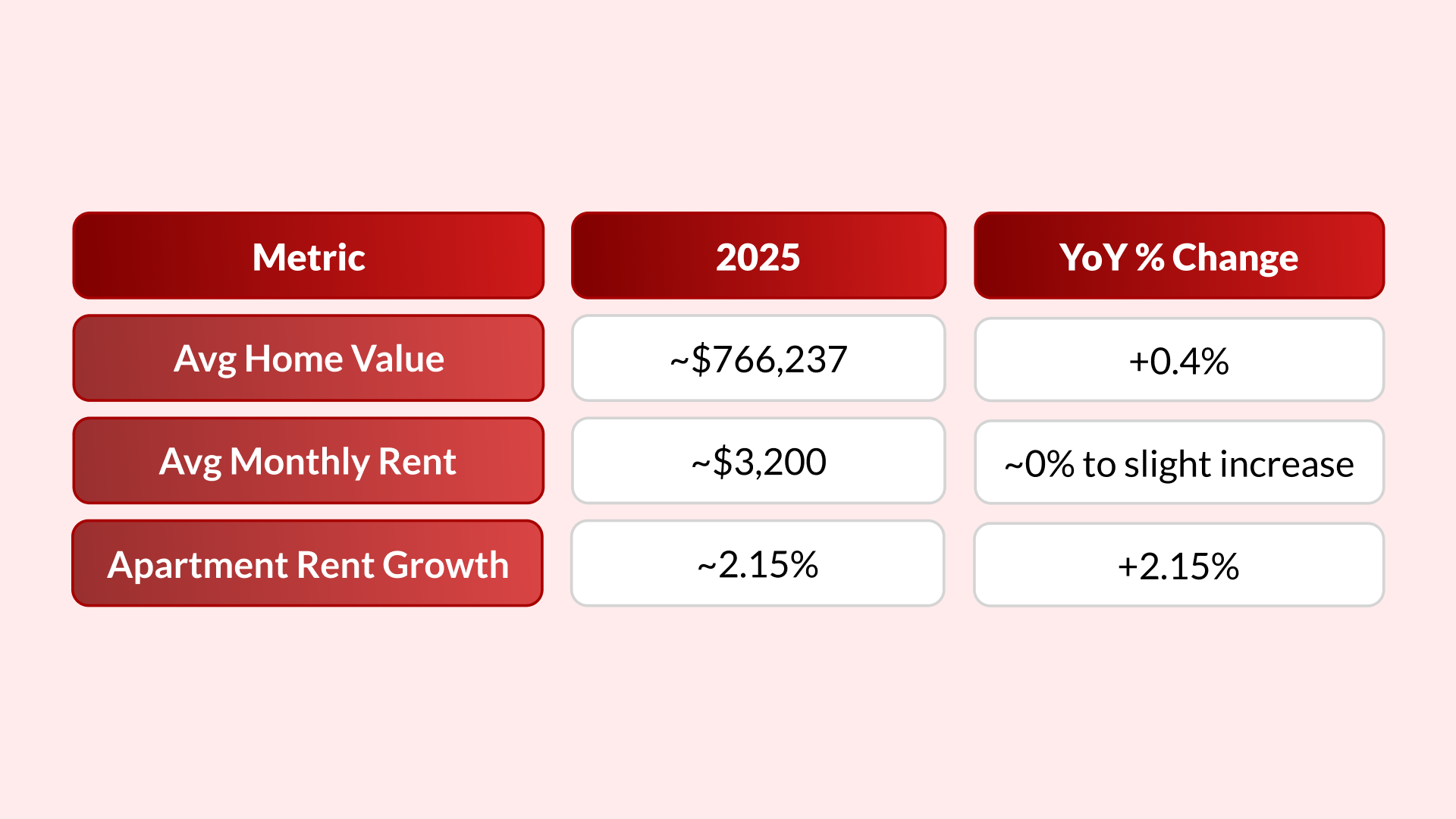
This foundation helps investors identify where the strongest opportunities may lie before 2030.
Real Estate: Definition, Types, How to Invest in It
Real estate refers to land and any property on it, including residential, commercial, multifamily, and mixed-use buildings. In Boston, each of these categories plays a role in shaping investment opportunities.
- Residential: Single-family homes and condos, popular among families and professionals.
- Multifamily: Apartments and two- or three-family homes, attractive for rental income.
- Commercial: Office, retail, and mixed-use spaces, often tied to business growth.
- Investment Strategies: Buy-and-hold, long-term rentals, or appreciation-based purchases are common in the Boston real estate market.
Investors often choose based on goals: steady rental income, appreciation, or a balance of both.
Boston MA Real Estate Hotspots Before 2030
Downtown Boston and Back Bay
These central areas combine historic properties with modern developments. Realtor data shows pricing here remains among the highest in Boston.
Limited inventory and cultural appeal keep values strong. Condos and luxury properties attract investors seeking long-term stability.
Cambridge & Somerville
With universities like Harvard and MIT nearby, Cambridge continues to have strong rental demand.
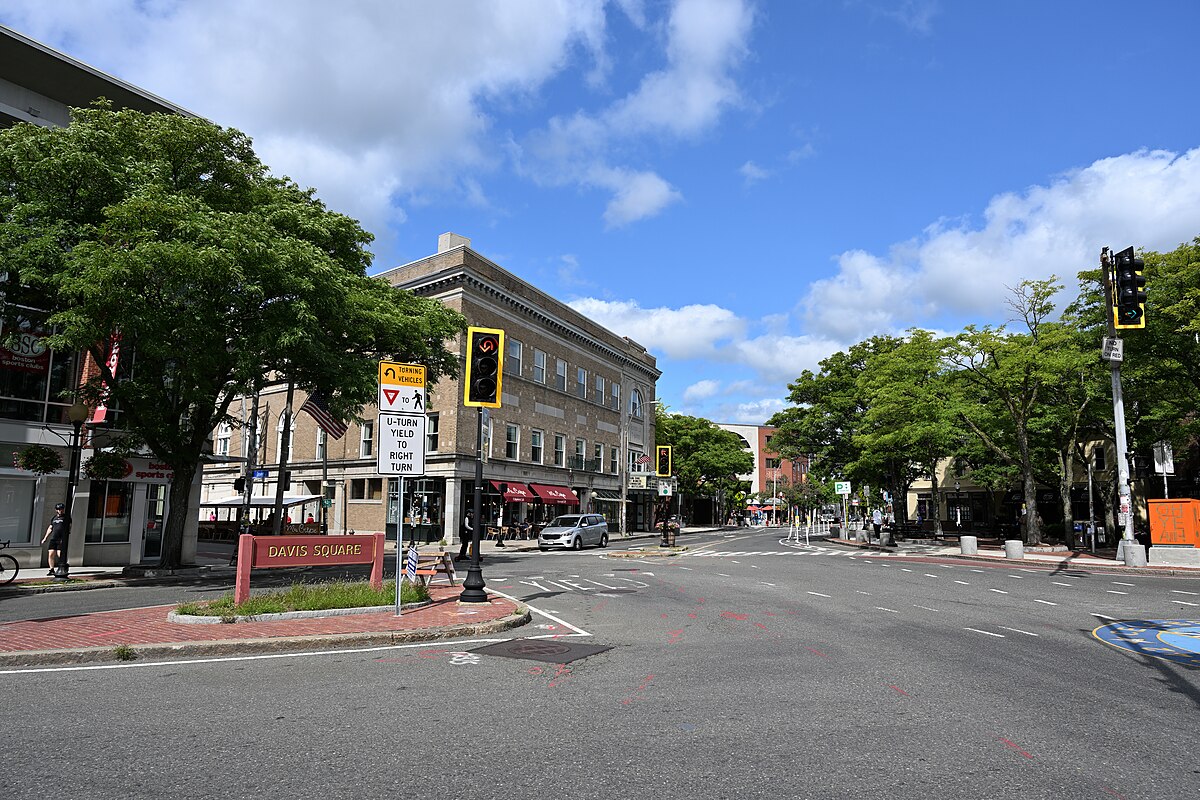
Somerville has transformed with new development and public transit expansion. Both areas offer multifamily and condo opportunities that align with steady rental markets.
Brookline & Newton
These suburban areas appeal to families seeking more space while remaining close to the city. According to Zillow, Brookline’s median home value is about $1.5 million, while
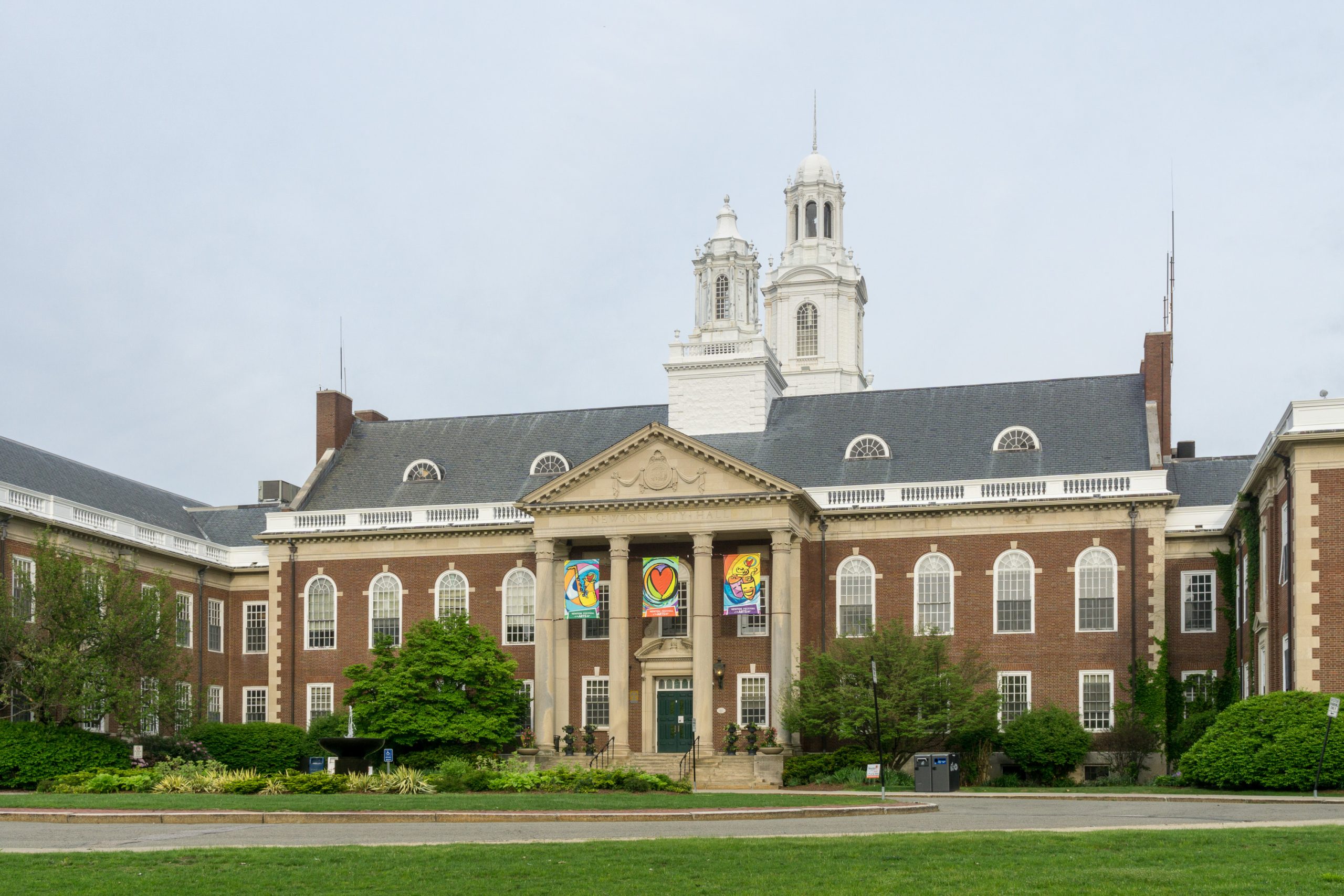
Newton City Hall in Massachusetts
Newton’s is close to $1.3 million. (Zillow) Investors can explore long-term appreciation here, with demand supported by stable communities. Connect with CRG agents.
South Boston & Seaport District
South Boston has become popular with young professionals, while the Seaport has developed into a modern waterfront hub. High-end condos and rentals are in demand, supported by new construction and commercial growth.
Emerging Areas: Dorchester, Roxbury, and East Boston
These areas provide lower entry prices compared to central Boston. Dorchester offers larger housing options, Roxbury is seeing revitalization projects, and East Boston is gaining interest due to redevelopment and proximity to Logan Airport. Investors considering appreciation potential may want to watch these markets closely.
Key Strategies for Navigating the Boston Real Estate Market
- Use Zillow and Realtor to track pricing, rents, and forecasts.
- Work with CRG’s team of agents for area-specific insights.
- Balance potential appreciation with reliable rental income.
- Review local regulations, zoning rules, and property taxes before committing.
What Not to Do Before Investing
- Don’t rely only on national market headlines – Boston’s market often moves differently.
- Don’t skip inspections or overlook area zoning requirements.
- Avoid entering bidding wars without knowing local comparable prices.
- Don’t underestimate the value of expert advice – connect with CRG agents for support.
Frequently Asked Questions
Which real estate investment is best?
It depends on your goals. In Boston MA real estate, multifamily units and condos often balance appreciation with rental income.
What is the 7% rule in real estate?
It’s a valuation method where investors look for properties with annual rent equal to at least 7% of the purchase price. In the Boston real estate market, this is more likely in emerging areas than central ones.
Is Boston real estate still a good investment in 2025 and beyond?
Yes. Demand driven by universities, healthcare, and business centers supports long-term growth.
Conclusion
Boston MA real estate offers both established markets and emerging opportunities heading into 2030. Downtown, Cambridge, and Back Bay maintain premium value, while areas like East Boston and Dorchester provide growth potential.
Disclaimer
This article is for informational purposes only. It does not constitute financial or legal advice. Readers should consult licensed professionals before making real estate decisions.
Recent Comments