
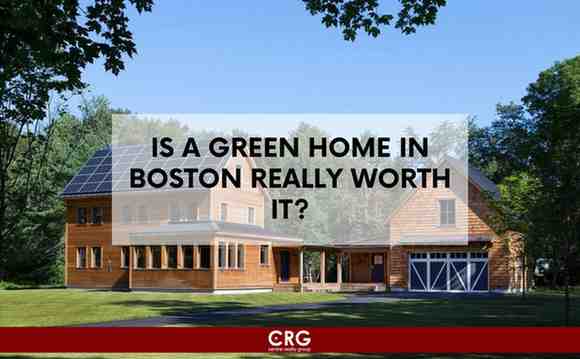
Boston is a city that values tradition, but in recent years, it has also become a leader in sustainability. As more homebuyers look for energy-efficient and environmentally friendly homes, green properties have gained popularity. But is investing in an eco-friendly home really worth it?
In this blog, we’ll explore what makes a home eco-friendly, how the demand for green homes has changed over the years, the financial and environmental benefits, potential challenges, and what to expect when buying a sustainable home in Boston.
What Makes a Home Eco-Friendly?
An eco-friendly home is designed to minimize environmental impact while maximizing energy efficiency. These homes feature sustainable building materials, smart technology, and energy-efficient systems that reduce long-term costs.
Key Features of a Green Home
- Solar panels – Generate renewable energy, reducing electricity costs.
- High-efficiency windows and insulation – Improve temperature regulation, lowering heating and cooling expenses.
- Smart home technology – Helps manage energy use with programmable thermostats and lighting controls.
- Water conservation systems – Include low-flow fixtures and rainwater collection systems.
- Sustainable building materials – Incorporate recycled or responsibly sourced materials like bamboo flooring and non-toxic paints.
- Geothermal heating and cooling – Uses the Earth’s natural heat for energy-efficient temperature control.
- Electric vehicle (EV) charging stations – Supports an energy-conscious lifestyle for homeowners with electric cars.
Investing in high-efficiency windows and proper insulation is one of the best ways to improve energy savings and indoor comfort, especially in Boston’s fluctuating climate.
How Has the Demand for Green Homes Changed in Boston?
Interest in eco-friendly homes has grown significantly in the past two decades, influenced by state incentives, rising energy costs, and increased environmental awareness.
Early 2000s: Limited Interest in Green Homes
- Green home features were seen as costly add-ons rather than necessary investments.
- Few homeowners considered energy efficiency a priority.
- Solar panels were expensive, and installation was uncommon.
2010–2015: Growth in Energy Efficiency Awareness
- Stricter energy efficiency requirements were introduced for new construction.
- More homeowners invested in solar panels and smart home upgrades.
- LEED-certified buildings and green construction projects increased.
2016–2020: A Shift Toward Sustainability
- Energy-efficient upgrades became common in new and remodeled homes.
- Massachusetts expanded rebates and incentives for green home improvements.
- Buyers became more interested in sustainable housing options.
2021–Present: A Market Priority
- Green home features are now expected in many properties.
- Boston’s real estate market has seen an increase in net-zero energy homes.
- More buyers are prioritizing long-term energy savings and sustainability.
Is Investing in a Green Home Worth It?
The upfront costs of a green home may be higher, but the long-term benefits often outweigh the initial investment. Here’s how buying an eco-friendly home can benefit homeowners financially and environmentally. While some buyers hesitate over the upfront cost of green upgrades, the reality is that certain energy-efficient home improvements can significantly boost resale value.
1. Lower Utility Costs
Energy-efficient homes significantly reduce monthly utility bills.
Example:
- A standard Boston home may have an annual energy bill of $2,500–$3,500.
- A well-insulated home with solar panels can lower that cost by 40–80%.
- Over ten years, a homeowner could save $15,000–$30,000.
2. Higher Property Value

Homes with green upgrades often sell for more than comparable properties without eco-friendly features.
Example:
- A home with energy-efficient appliances and solar panels may sell for 5–10% more than a similar home without these upgrades.
- Buyers are willing to pay more for long-term savings and sustainability.
3. Tax Incentives and Rebates
Massachusetts offers several financial incentives for homeowners who invest in energy-efficient upgrades:
- Federal Solar Tax Credit – Allows homeowners to deduct a portion of their solar panel installation costs.
- Mass Save® Rebates – Offers savings on insulation, energy-efficient appliances, and heating systems.
- Net Metering Benefits – Homeowners with solar panels can receive credits for surplus energy sent back to the grid.
- Boston’s Energy Disclosure Policies – Encourage energy-efficient home improvements.
4. Environmental Benefits
Green homes help reduce a homeowner’s carbon footprint by relying on renewable energy sources and sustainable materials.
Example:
- A home with solar panels and energy-efficient appliances can reduce carbon emissions by 3–5 metric tons per year—equivalent to removing one gasoline-powered vehicle from the road.
5. Healthier Indoor Living
Many green homes use non-toxic building materials, leading to improved indoor air quality and reduced exposure to harmful chemicals.
Example:
- Homes with low-VOC paints and natural ventilation systems promote cleaner indoor air.
Challenges of Buying an Eco-Friendly Home in Boston
While green homes offer many advantages, buyers should also consider potential challenges.
1. Higher Initial Costs
Eco-friendly homes often have a higher purchase price due to their advanced building materials and technology. However, these costs are offset by lower utility bills and financial incentives.
2. Limited Inventory
- Finding a home with all desired green features may take time.
- Sustainable homes are in high demand, leading to competitive offers.
3. Specialized Maintenance
- Some eco-friendly systems, such as solar panels or geothermal heating, require specialized maintenance. Many eco-friendly homes incorporate geothermal heating and cooling systems, which offer a sustainable alternative to traditional HVAC setups and enhance home energy efficiency year-round.
- Not all contractors have experience servicing green home technology.
How to Find an Eco-Friendly Home in Boston
1. Work with an Experienced Real Estate Agent
Not all green homes are listed with energy-efficient details. A real estate agent familiar with sustainable housing can help identify properties that align with your goals. With sustainability becoming a key focus for buyers, Boston’s real estate market is shifting toward homes that offer long-term value and lower operational costs.
2. Look for Energy Certifications
Some homes may have certifications that indicate sustainability:
- LEED Certification – Recognizes high-performance green buildings.
- ENERGY STAR Rating – Ensures energy-efficient appliances and design.
- HERS Index Score – Measures a home’s energy efficiency.
As more developers integrate eco-friendly features into new construction projects, buyers looking for sustainable real estate investments will find increasing opportunities in Boston.
3. Check Energy Reports
Request utility bills or energy reports from the seller to compare the home’s efficiency with other properties.
4. Explore Green Financing Options
Some lenders offer energy-efficient mortgage programs that help finance eco-friendly upgrades.
Final Verdict: Should You Buy a Green Home in Boston?
Investing in an eco-friendly home is a smart choice for buyers looking for long-term savings, a reduced environmental impact, and a healthier living space.
While the initial costs may be higher, the benefits—such as lower utility bills, increased resale value, and available tax incentives—make green homes a worthwhile investment.
Recent Comments