
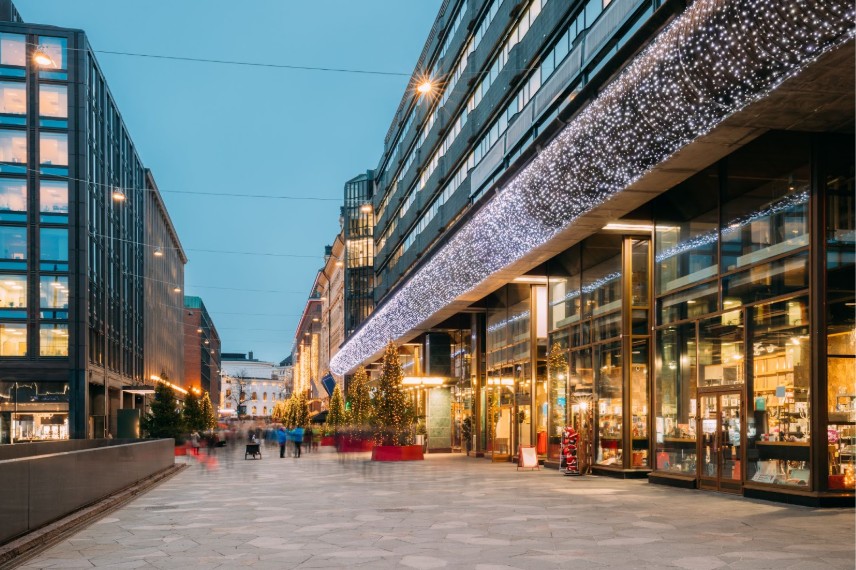
Retail real estate continues to evolve as consumer behavior, population trends, and economic growth reshape where and how people shop. In growing markets, retail property presents strong opportunities for investors, developers, and business owners who understand shifting demand and local dynamics.
As cities expand and communities develop, well-located retail spaces are becoming essential hubs for shopping, dining, and services.
Why Growing Markets Matter
Growing markets are typically characterized by population growth, rising employment, and increased household income. These factors drive consumer spending and create demand for retail services. As new residents move into an area, the need for grocery stores, restaurants, medical offices, and service-based businesses increases.
Retail properties in expanding markets often benefit from higher foot traffic, improved tenant stability, and long-term value.
Demand for Neighborhood Retail
Neighborhood-focused retail is one of the strongest segments in growing areas. Centers anchored by essential services such as grocery stores, pharmacies, and fitness centers tend to perform well even during economic shifts.
Consumers value convenience, which makes retail spaces close to residential developments especially attractive. These properties often experience steady demand and lower vacancy rates.
Opportunities in Mixed Use Developments
Mixed-use developments combine retail, residential, and office spaces into a single location. In growing markets, these developments are becoming increasingly popular as communities seek walkable environments.
Retail spaces within mixed-use projects benefit from built-in customer bases and consistent foot traffic. For investors, these properties offer diversified income streams and strong long-term potential.
Expansion of Experiential Retail
Retail today is no longer limited to traditional storefronts. Experiential retail focuses on services and experiences such as dining, entertainment, fitness, and specialty services. Growing markets provide ideal conditions for these businesses as younger populations and families seek lifestyle-focused amenities.
Properties that support experiential tenants often command higher rents and stronger customer engagement.
Investment Potential and Cash Flow
Retail real estate in expanding markets can offer reliable cash flow when supported by strong tenant mixes. Long-term leases, especially with established brands or service providers, help stabilize income.
As demand increases, property values may rise, creating opportunities for appreciation in addition to rental income.
Risks and Considerations
While growing markets offer strong potential, careful evaluation is essential. Investors should analyze local demographics, traffic patterns, and competition. Overdevelopment can impact rental rates and vacancy levels.
Understanding zoning regulations and future development plans helps ensure a retail property aligns with long-term growth.
The Role of Location and Accessibility
Location remains one of the most important factors in retail success. Properties with good visibility, ample parking, and easy access from major roads tend to perform better.
In growing markets, retail spaces near residential developments, transit hubs, and employment centers are particularly valuable.
Final Thoughts
Retail real estate opportunities in growing markets remain strong for those who focus on location, tenant demand, and community growth patterns. As population shifts continue and consumer preferences evolve, well-positioned retail properties can deliver stable income and long term value.
With careful research and strategic planning, investors and business owners can capitalize on retail real estate in markets poised for continued expansion.
Recent Comments